

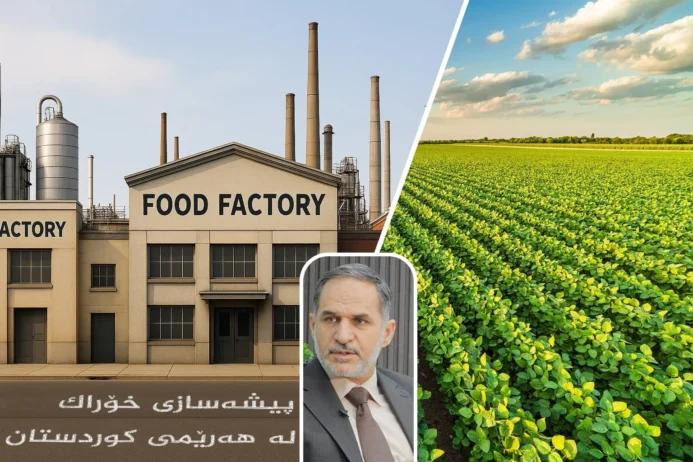
The backbone of the economy and food security
The food industry is a fundamental pillar of national economies and plays an important role in achieving sustainable development through high revenue and a direct impact on food security and social stability. The benefits of this sector go beyond supplying food to include long-term economic, social and strategic dimensions.
Direct and indirect economic benefit
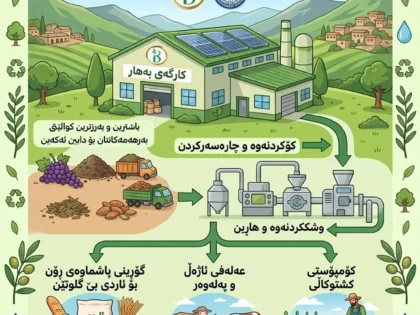
Added value and maximum profit: food industries turn primary agricultural products (vegetables, fruit, grain, meat) into products with higher added value. For example, instead of selling wheat as raw grain it is turned into flour and then bread and pastries, multiplying its economic value at every stage. This yields higher profit margins for producers and raises overall agricultural-sector income.
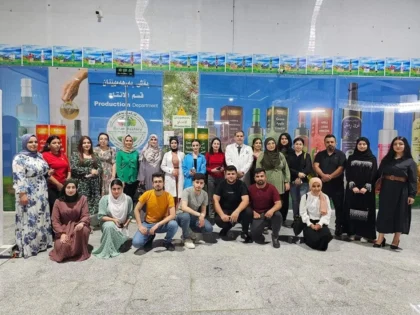
Creating jobs: the food industry is one of the most labour-intensive sectors, offering a variety of jobs from production-line workers to technicians and quality-control specialists, to packaging, marketing and distribution, helping reduce unemployment and raise living standards.
Stimulating other sectors: it needs packaging materials (plastic, glass, cardboard), machinery, transport and logistics, marketing and advertising, creating a multiplier effect in the national economy.
Improving the trade balance: by meeting domestic demand for prepared food products, the food industry reduces dependence on imports, saving hard currency, and later can turn to export and become an important source of foreign currency.
Impact on the national economy
The food industry makes a significant contribution to GDP. Its stability and growth raise investor confidence and attract more local and foreign investment. It also plays a strategic role in developing villages by providing a stable, protected market for agricultural products, encouraging farmers to increase and improve production, raising income and living standards and contributing to balanced development between rural and urban areas.
Securing national food security
Food security means providing safe, adequate food for all members of society at all times. The food industry contributes by:
1. Preserving food from spoilage: canning, freezing, drying and pasteurisation extend the shelf life of seasonal produce, reduce food loss and waste and ensure year-round availability.
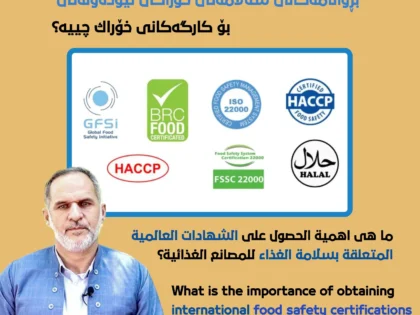
2. Providing diverse and safe food: production is under strict health control and quality standards, ensuring products are safe and free of contaminants.
3. Building a strategic reserve: food industries let countries build strategic stocks of staple foods for emergencies such as war and crises, natural disasters or severe global-market inflation, increasing resilience.
In conclusion, investing in and developing the food industry is not only an economic option but a strategic necessity for achieving comprehensive and sustainable development. With its high returns, deep impact on the national economy and ability to secure food security, the food industry has proved to be a main engine of growth and prosperity.
Jalal Said Karim Garawi, Director of Bahar Factory