

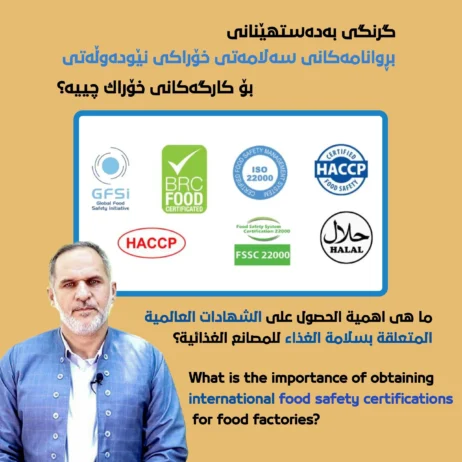
International food safety certificates are essential for food factories because they provide a unified framework for ensuring the production of safe, high-quality food.
1. Compliance with international standards and access to global markets
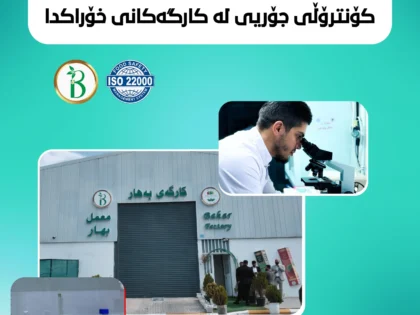
Certificates such as ISO 22000, HACCP and GFSI-recognised schemes (BRCGS, FSSC 22000) demonstrate a factory’s commitment to the highest safety and quality standards. They are also a basic requirement in many international markets and for large global retailers and buyers, opening the door to export and trade cooperation.
2. Building trust and enhancing reputation
Certification gives consumers and customers clear evidence that the product was made and traded under strict safety standards, increasing trust in the brand. It also reduces reputational risks related to food safety incidents and shows the company’s commitment to public health.
3. Risk management and operational improvement
It helps establish an effective food safety management system (such as HACCP) that identifies, monitors and controls potential hazards (biological, chemical and physical) at every stage of production.
Increased efficiency: preparing for certification encourages organising and documenting processes, improving efficiency, reducing errors, and cutting waste and the costs of product recalls.
Legal compliance: it helps the factory comply with national and international food safety laws and regulations, avoiding penalties and fines.
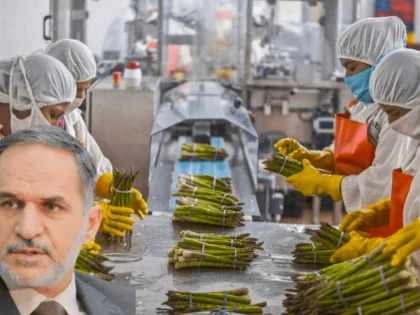
Jalal Karim Omar, Director of Bahar Factory