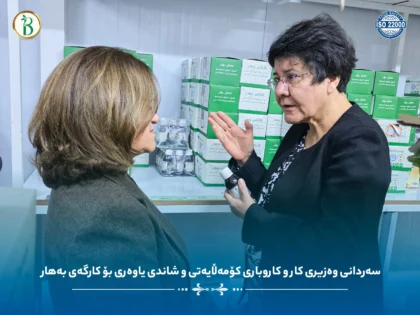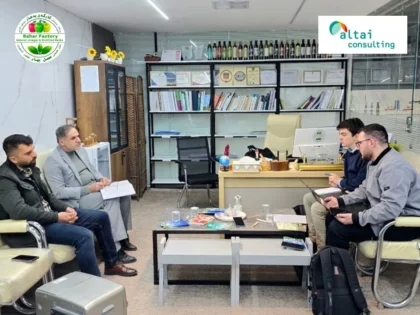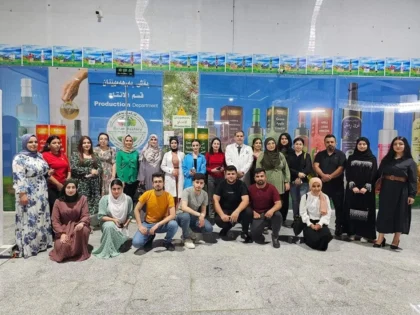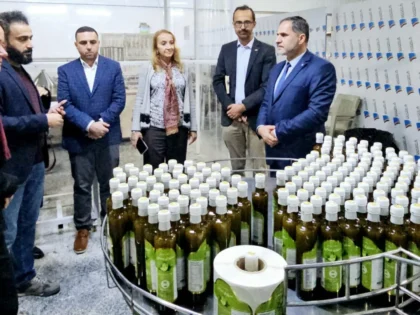


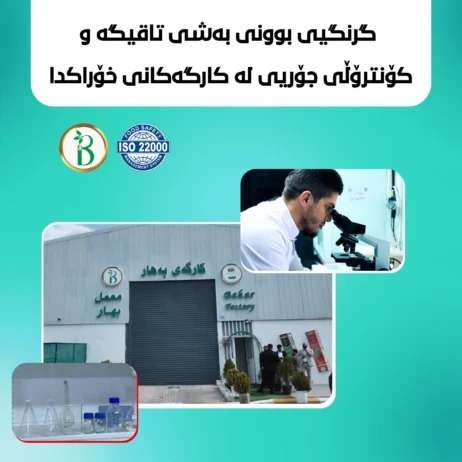
Why Bahar Factory established this department from the very beginning
The laboratory and quality-control department plays a key role in food factories. Its importance can be summarised as follows:
1. Ensuring product safety. The ultimate goal is protecting consumer health. The lab carries out precise tests to identify any harmful contaminants such as bacteria (e.g. Salmonella and E. coli), moulds, heavy metals and pesticide residues, ensuring the final product is safe for human consumption.
2. Verifying product quality. Quality control ensures every production batch matches approved standard specifications in taste, colour, smell and nutritional composition (protein, fat, vitamin content and so on), securing consistent quality and protecting customer satisfaction and loyalty.
3. Monitoring all production stages. Monitoring begins with receiving raw materials, which are first tested to confirm required specifications, and continues through all production stages to the final product, including hygiene, cleaning of materials and equipment, and the working environment.
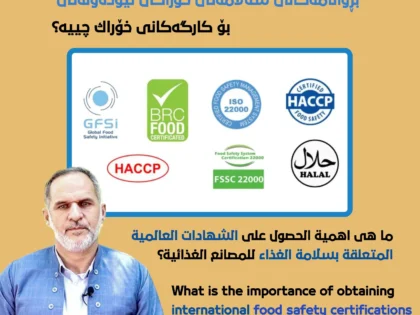
4. Compliance with laws and guidelines. The department ensures products comply with local and international standards and rules (such as those of the Central Organisation for Standardisation and Quality Control in Iraq and the Kurdistan Region), so there are no legal problems and the product may be traded in local and international markets.
5. Continuous development. The lab contributes to research and development by analysing new products, proposing improvements to existing ones and finding solutions to problems that arise in production, increasing efficiency and reducing waste.
In short, the laboratory and quality-control department is the first line of defence for food safety and quality, and the cornerstone of consumer trust and the factory’s success in a competitive market. That is why Bahar Factory’s management was keen from the start to establish this department inside the factory and to appoint a permanent employee, a graduate of food science from the College of Agricultural Sciences.
Jalal Karim Omar, Director of Bahar Factory