

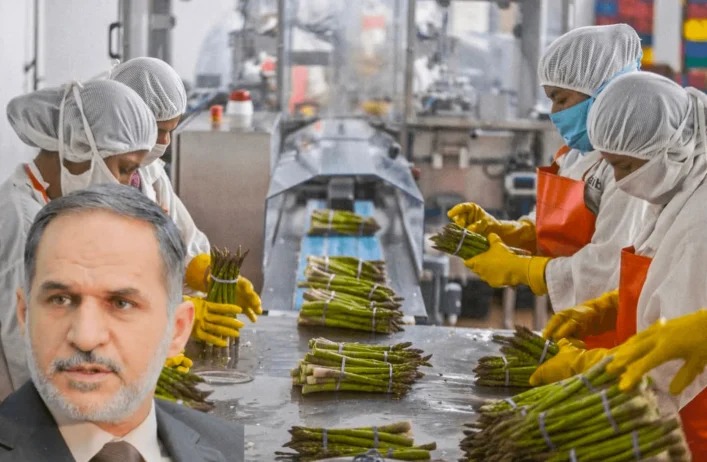
This topic should be directed to ministers and directors-general in the ministries of trade and industry, agriculture, health, the environment authority and others. Its aim is to prove that the government gains more revenue from developing food-industry projects and factories through its own departments than from focusing on imported goods.
By Jalal Said Karim Garawi
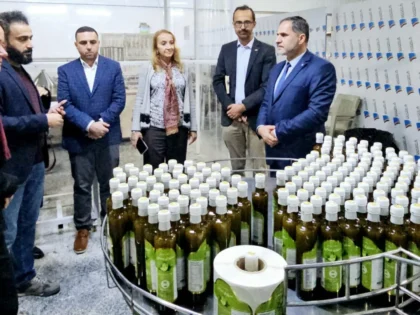
In establishing and running a food-industry project (for example a food factory) there are many public and shared stakeholders, governmental and non-governmental, each playing an important role in its success and continuity; most of them benefit in revenue terms, apart from securing food and social security.
First: government stakeholders
Ministry of Industry (or the responsible body): issues the initial industrial licence, approves the establishment of factories including food factories and sets requirements; supervises compliance with industrial standards and production techniques.
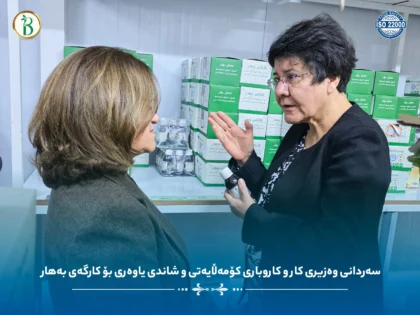
Food and drug authority (or similar): licenses food trading establishments (factories, warehouses, distribution centres); sets food safety standards; carries out seasonal and surprise inspections for hygiene, food safety and Good Manufacturing Practice (GMP); takes samples and analyses them.
Ministry of Health: sets health conditions for workers and the environment, and monitors compliance of buildings and surroundings; takes part in tracking food-borne diseases.
Environment authority: environmental impact licence; ensures the factory uses environmentally friendly technology and treats industrial waste.
Ministry of Finance (tax authority): collects tax on profit and production; may provide incentives or exemptions to support national industry.
Water and electricity ministries: basic services, since factories depend on continuous clean water and power.
Ministry of Agriculture: monitors the quality and safety of agricultural raw materials.
Municipalities: building and location permits in line with planning rules.
Second: non-government stakeholders
Raw-material suppliers: directly affect final product quality and supply-chain integrity; strong relations ensure continuity and reduce risk; they can also offer innovative materials or technology.
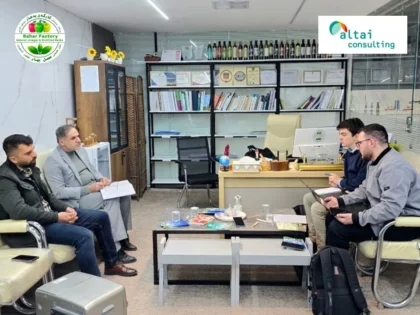
Consulting companies (engineering, management, quality, environment): factory design; helping implement quality and food safety systems such as HACCP, ISO 22000 and GMP; feasibility studies; advice on legal compliance.
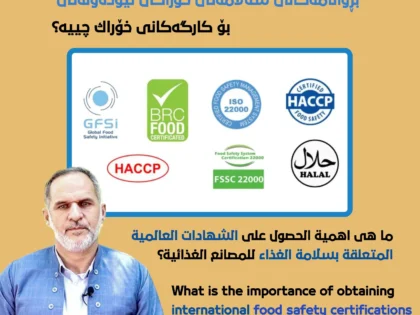
International certification bodies (ISO, HACCP): audit factory systems and award certificates such as ISO 22000, ISO 9001 and HACCP, raising trust of consumers and trade partners.
Chambers of commerce, industrial unions and federations, import-export associations, cooperatives and related civil organisations.
Consumers: their needs and expectations on food quality and safety greatly influence production and the factory’s success.
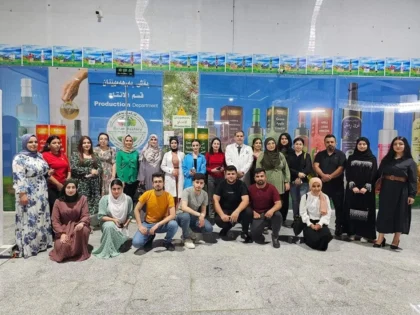
Employees and workers: their health, training and compliance with work and safety standards directly affect quality and efficiency; labour unions represent their interests.
Investors and shareholders; financial institutions (banks) providing loans and financial services; competitors, who influence pricing, quality and innovation.
These stakeholders, with their varied roles and interests, form a complex network that affects the establishment and running of a food factory, requiring managers to understand each party’s interests and manage relations effectively.
Finally, I hope the Kurdistan Regional Government (in the new cabinet) will take another look at the industrial sector in general and food industry and factories in particular, for the progress of the public and private economy and greater reliance on our own resources and capabilities.
If you read it all, please forward it, with thanks, to a minister, a director-general or any other decision-making body.