

A green economy is an economic model whose main goal is economic growth while reducing environmental risks, protecting natural resources and achieving social justice. It stresses that financial development must not come at the expense of destroying the environment.
Main pillars of the green economy
Renewable energy: relying on solar, wind and water instead of fossil fuels (oil and coal).
Reducing greenhouse-gas emissions: to confront climate change.
Efficiency and recycling: preventing waste of resources and building a “circular economy”.
Green jobs: creating jobs in the environmental sector while respecting workers’ rights.
Why the green economy matters
It prevents the depletion of natural resources.
It reduces air and water pollution, which directly improves public health.
It creates new, innovative economic opportunities for companies and investors.
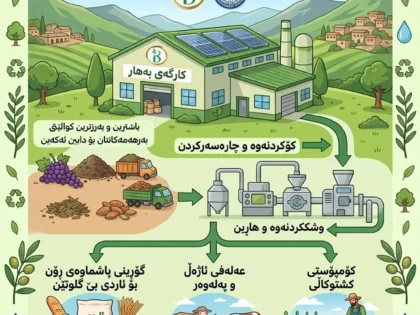
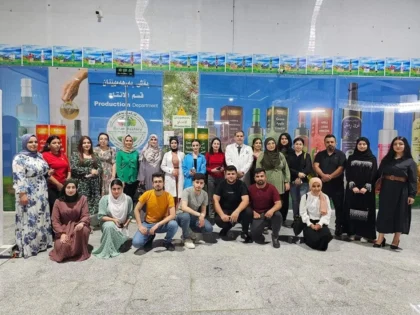
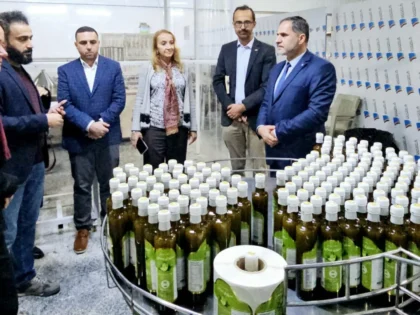
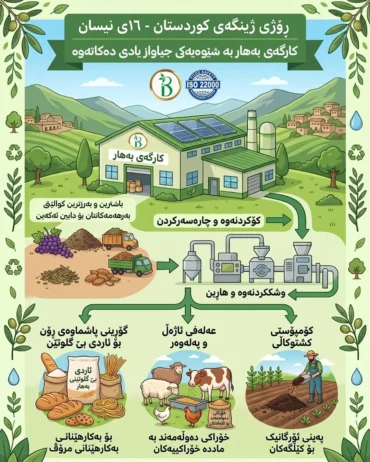
Note: At Bahar Factory we are making every effort to move towards the green-economy model. We depend 100% on solar energy and use no other fuel. Our production residues, especially the cold-press oil residues, are used as animal feed and some even as gluten-free flour. All Bahar Factory employees are local, currently 20 staff, all with employment contracts and rights protected under Iraqi labour law.
Director of Bahar Factory / Jalal Said Karim Garawi
Sources: United Nations Environment Programme (UNEP), 2011, Towards a Green Economy; Pearce, Markandya & Barbier, 1989, Blueprint for a Green Economy; World Bank, 2012, Inclusive Green Growth.